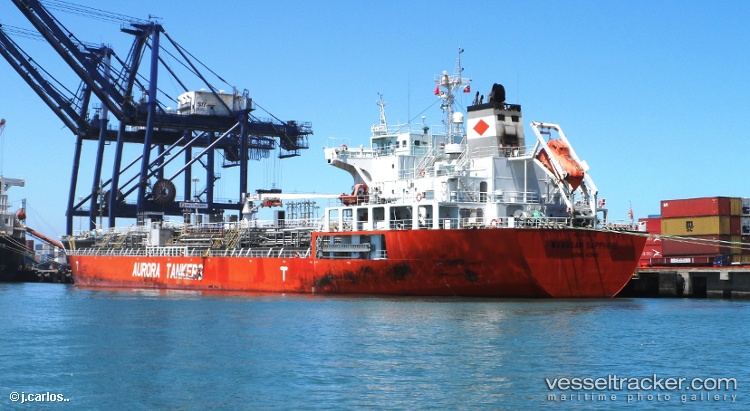
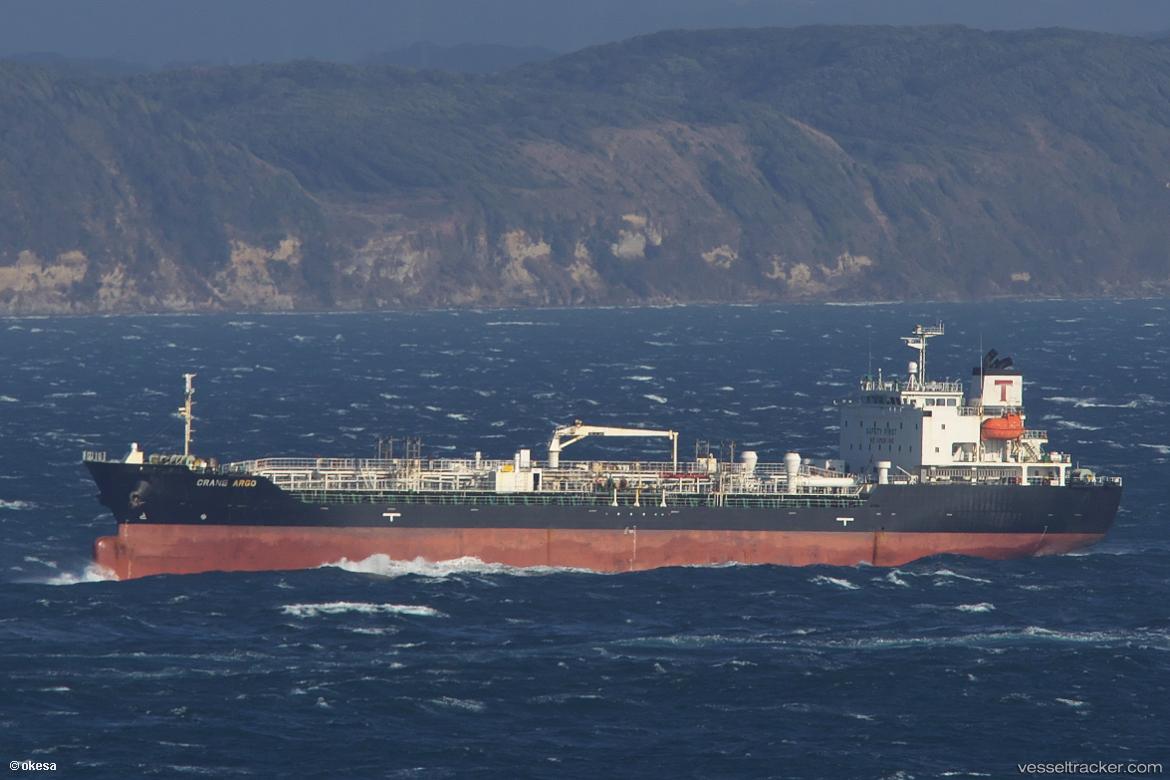
Discover the Veronica-Iii: Ratings & Maritime News
IMO: 9326055
Crude Oil Tanker, Panama
Photos
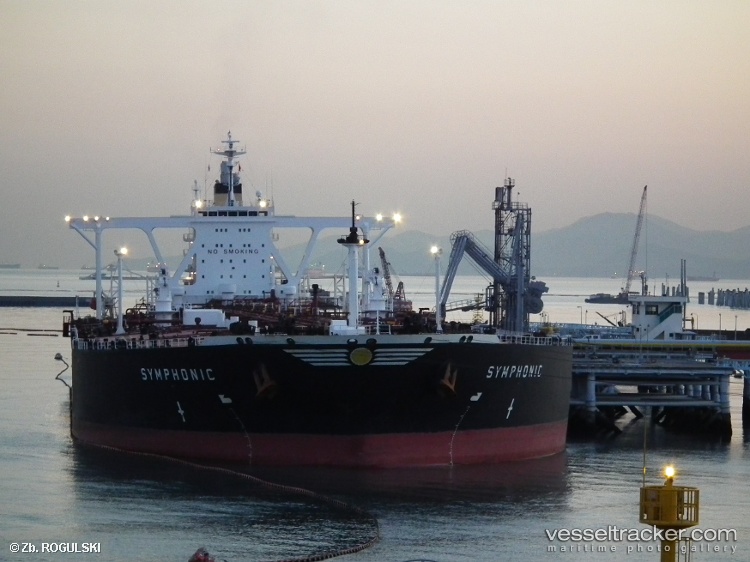
Vessel Details
MMSI
352002475
Callsign
3E2317
Width
60.0 m
Length
330.0 m
Reviews (1)
Robert
2023-09-25
Position: Chief Engineer
Advantages:
Looking for information about this vessel. Has anyone worked on this vessel? What was it like?
Disadvantages:
No personal experience yet, just gathering info.
Latest News (5)
US Forces Intercept Ninth Tanker in Ongoing Campaign Against Illicit Venezuelan Oil Transport
U.S. military personnel have successfully boarded the sanctioned tanker 'Veronica III' in the Indian Ocean, making it the ninth vessel seized or interdicted in an escalating effort to combat the network of ships transporting illegal Venezuelan oil. This operation took place on the night of February 14, 2026, within the jurisdiction of the U.S. Indo-Pacific Command, as the vessel was reportedly attempting to evade regulations concerning sanctioned oil shipments. Having departed from Venezuela on January 3, the same day that Venezuelan leader Nicolás Maduro was apprehended, the 'Veronica III' was carrying approximately 1.9 million barrels of crude and fuel oil. The vessel has been frequently involved in the transport of Russian, Iranian, and Venezuelan oil since 2023, and was previously known by the alias 'DS Vector.' Initially sanctioned by the U.S. Treasury Department on December 3, 2024, this action was part of a broader initiative targeting 35 entities and vessels connected to Iran's oil trade. The 'Veronica III' was managed by Shanghai Future Ship Management Co. Ltd., a Chinese company with a history of facilitating illicit Iranian oil movements. Notably, in 2021, another vessel managed by the company was seized by Indonesian authorities for transferring oil from an Iranian-flagged tanker, an operation that resulted in an oil spill while both vessels attempted to disguise their identities by disabling their AIS. Documents from the Treasury Department reveal that 'Veronica III' had transported hundreds of thousands of metric tons of Iranian crude oil for the National Iranian Oil Company and the U.S.-designated China Concord Petroleum Company as early as 2022. For more details, you can watch the report with video coverage here: https://news.sky.com/story/us-forces-board-and-shut-down-sanctioned-venezuela-linked-oil-tanker-in-the-indian-ocean-13508068.
Identifying High-Risk Tankers: A Focus on Seizure Patterns
The maritime world is on alert after the 'Veronica' (IMO: 9256860) was seized on January 15, marking it as a notable case among tankers engaging in suspicious behaviors linked to Venezuelan activities. Following this event, several other vessels, including the 'Veronica III', have been pinpointed as at potential risk for seizure due to their concerning operational patterns. The 'Veronica III' stands out with an alarming AIS gap of 274 days, alongside a significant volume of ship-to-ship (STS) transfers deemed risky and activities categorized as dark STS. Other vessels flagged for similar concerns include the 'Bertha' (IMO: 9292163), featuring spoofing scores at 5 and high-risk STS events numbering 10, coupled with 15 occurrences of dark STS. Additional tanks such as the 'Vesna' (IMO: 9233349) and 'Lydya N' (IMO: 9153525) exhibit varying degrees of AIS spoofing and dark STS activities. These ships are statistically akin to previously seized vessels, demonstrating operational behaviors likely to provoke enforcement action, particularly during heightened risk scenarios, including urgent port calls or suspicious STS operations. A shared trait among these tankers is their tendency towards deceptive AIS behavior, which encompasses prolonged periods of inactivity offshore and sudden behavioral changes. Notably, AIS spoofing has emerged as a significant indicator of potential seizure, with a disparity evident between seized tankers and their non-seized counterparts; seized vessels showed nearly double the rates of spoofing (4.2 versus 2.21). The recent trend illustrates that multiple risk factors must converge for enforcement actions to occur, rather than a single infraction. For instance, among the confiscated tankers, four exhibited high levels of spoofing, with three classified as extreme outliers. As the narrative unfolds, it becomes evident that the intersection of spoofing rates with suspicious AIS activities and risky port engagements illuminates critical pressure points where enforcement likelihood escalates. Interestingly, the ambiguity of vessel flags did not provide a significant differentiator in determining seizure risks. With these insights, authorities are poised to remain vigilant in monitoring maritime behaviors that could signal illicit activities linked to Venezuelan maritime interests.
Venezuela's Oil Export Resilience: Sanctioned Tankers Navigate Through US Naval Blockade
Despite the US government's efforts to enforce one of the most extensive maritime quarantines in contemporary history, Venezuela's oil exports are thriving. A group of tankers has employed covert tactics to evade detection by US naval forces, raising concerns about the blockade's efficacy and the potential for heightened tensions at sea. This situation suggests a well-coordinated strategy among the tankers involved. Recently, at least 16 oil tankers, previously anchored at Venezuelan ports, set sail almost simultaneously, a deliberate move aimed at overwhelming US patrol capabilities. Some of these vessels have been spotted near the African coast, cleverly disguising their actual departure from Venezuelan waters. Other tankers have showcased advanced tactics such as dual signal transmission, allowing them to appear in two different locations at once. In an effort to further complicate identification, crews have altered the hull paint of their ships to obscure true identities, while spoofing technology and GNSS manipulation have become standard practices among these maritime operators. Notable vessels in this operation include the 'Veronica III', a sanctioned tanker that departed in 'dark mode'; the 'Vesna' (IMO: 9233349), which utilized AIS coordinate spoofing; and the 'Aquila II' (IMO: 9281152), which misrepresented its location using false signals, appearing thousands of miles away from its actual position.
US Imposes Sanctions on 35 Entities and Tankers in Response to Iranian Activities
On December 3, 2024, the United States government took significant action by sanctioning 35 entities and vessels linked to the transportation of Iranian petroleum and its derivatives to global markets. This decision follows Iranian military aggression against Israel on October 1 and recent escalations regarding their nuclear activities. The primary objective of these sanctions is to disrupt Iran's nuclear ambitions, hinder the progress of their missile and drone technologies, and curb their financial support for terrorist proxies by cutting off revenue from oil sales. Among the targeted assets, 18 tankers have been specifically identified for having allegedly transported tens of millions of barrels of oil from Iran. In addition to the vessels, several companies involved in the operation and management of these tankers alongside those facilitating the sale of Iranian oil have also been sanctioned. Notably, the 'Rioo Napo' and 'Lara II' tankers, owned and managed by the India-based Vision Ship Management LLP—also under sanctions—have been highlighted in this crackdown. The 'Rioo Napo' was previously involved in transporting Iranian naphtha to the UAE. Furthermore, the 'Tonil' vessel has a history of bypassing sanctions, enabling the transport of millions of barrels of Iranian oil. This tanker is managed by the sanctioned Ukrainian Lightship Management Ltd., with an additional sanctioned company, Indian Tightship Shipping Management (OPC) Private Ltd., being known for its involvement in the management of the ship. The sanctions represent a strategic effort by the U.S. to reinforce pressure on Iran amid ongoing geopolitical tensions.
Lemos CM Completes Private Sale of VLCCs Symphonic and Gloric to Zodiac Maritime
In a significant transaction in the maritime sector, Lemos CM has successfully sold their two very large crude carriers (VLCCs), the 'Symphonic' and 'Gloric,' both built in 2006 at Universal. The vessels were acquired by Zodiac Maritime in a private deal, with each ship fetching an impressive price of USD 33.0 million. This sale marks a notable movement in the VLCC market, highlighting ongoing investment interests within the industry.
Frequently Asked Questions
🌊 Did Veronica-Iii sink or have any sinking incidents?
Based on available news reports, Veronica-Iii has been mentioned in connection with sinking-related incidents. There have been 1 news reports mentioning sinking incidents. For detailed information about specific incidents, please refer to the latest news section above.
🚫 Are there any sanctions against Veronica-Iii?
Based on available news reports, Veronica-Iii has been mentioned in connection with sanction-related incidents. There have been 3 news reports mentioning sanctions. For detailed information about specific incidents, please refer to the latest news section above.
🛢️ Did Veronica-Iii have any oil spills or pollution incidents?
Based on available news reports, Veronica-Iii has been mentioned in connection with spill-related incidents. There have been 3 news reports mentioning spills. For detailed information about specific incidents, please refer to the latest news section above.
🚓 Was Veronica-Iii detained or arrested?
Based on available news reports, Veronica-Iii has been mentioned in connection with detention-related incidents. There have been 2 news reports mentioning detentions. For detailed information about specific incidents, please refer to the latest news section above.
Leave a Review
Similar Vessels You Might Be Interested In