Msc-Baltic-Iii
IMO: 9241475
Container Ship, Liberia
Photos
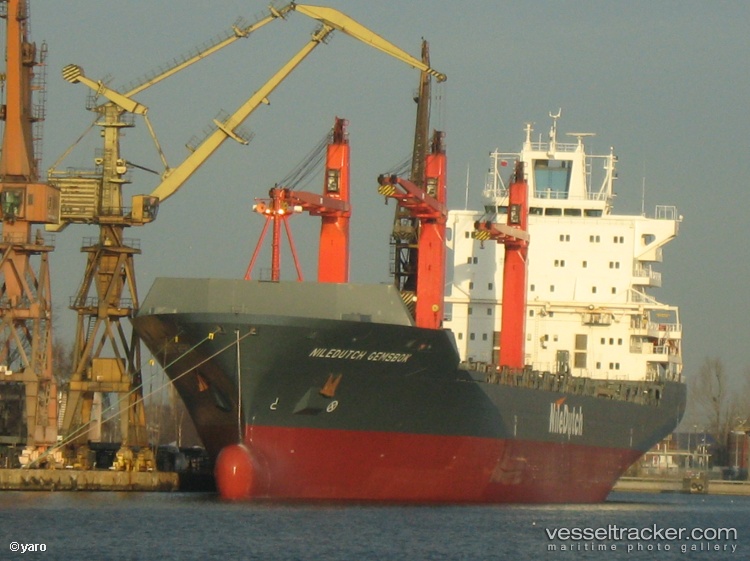
Vessel Details
MMSI
636021252
Callsign
5LDA4
Width
30.0 m
Length
207.0 m
Reviews (1)
Russell
2024-10-05
Position: Medical Officer
Advantages:
Looking for information about this vessel. Can someone share their experience on this boat? Was the pay decent?
Disadvantages:
No personal experience yet, just gathering info.
Latest News (8)
Cableway will offer access to MSC Baltic III during winter
As the summer was drawing to a close, the crews salvaging the grounded MSC Baltic III were turning their focus to making a plan to winterize the 'MSC Baltic III'. Efforts have been ongoing ever since the grounding to assess the ship’s condition and remove any potential pollutants aboard. The bulk of the heavy fuel oil in the ship’s six primary tanks was safely removed earlier in summer. As of Sep 4, most of the residual heavy fuel oil left in those six tanks, which could not be removed by the heating and pumping process, had also been removed. the contractors now considered four of the six primary tanks to be adequately flushed off residual oil. There may be a requirement (for the salvage crew) to do more. The process being employed to cleanse the primary tanks of residual heavy motor fuel involves adding diesel fuel, or marine gas oil, from other, smaller tanks that are aboard the 'MSC Baltic II'I to dilute the heavier fuel oil. All of those other smaller tanks have all been cleansed and have been inspected to the approval of the federal standards required. One thing that is being done in preparation for the coming colder seasons is the construction of a cableway that will provide the crews access to the ship from the Cedar Cove shoreline. Essentially, the cableway will be a sort of zipline that will carry a caged box. It will only be used to transport personnel back and forth. Currently, crews access the 'MSC Baltic III' from either the starboard side by boat via a set of stairs or on the port side via the walk-to-work platform aboard the 'Eems Dublin', which that has been onsite to assist in removing cargo containers from the vessel. A stone pad has been constructed on the hill above the beach at Cedar Cove, from which the cableway system will travel out to the ship’s deck. While use of the cableway will still be weather-dependent, it should provide more consistent access than the two approaches that rely upon steadier sea states. Daily access and after September when the weather starts getting worse will probably drop back to 50 % or more. The 'Eems Dublin' will stay in the area to facilitate the transfer of personnel and containers. It will remain available, as weather permits, until all container operations are done and the cableway system is completed. While the Canadian Coast Guard is mostly concerned about the potential pollutants still aboard the 'MSC Baltic III', the salvage crews have switched their focus for the time being to the ship’s cargo. The 'MSC Baltic' was carrying 472 containers, around half of which were empty. As of Sep 4, 399 of these had been removed, leaving 73 to go. The remaining containers were all below deck and in holds that contained water. The cargo included some food items and some newsprint, some of which has been soaked and likely now too heavy to be lifted out by the ship’s cranes. The wet newsprint has swelled, while the food has been spoiled and continues to decay with each passing day. The rotten food has also generated gases that can make working in the area a challenge, with levels being monitored to determine if personal protection equipment and breathing apparatus might be required for crews. While the Canadian Coast Guard has asked the general public to stay away from the Cedar Cove area while the salvage operations were ongoing, they have not been forcing people to stay away from what has become a popular destination for sightseers. It was still too early to tell if the 'MSC Baltic III' can eventually be refloated and safely towed away from Cedar Cove. Regular dive surveys of the double-hulled ship continue to monitor the underwater, exterior condition of the ship and gather information to help with winterizing the vessel. A schedule for dive operations has been set for the coming months. and dives will likely take place after any significant storms or other events that might raise any cause for concern. The condition of the inner was is still a question that had yet to be answered. Its condition could determine whether or not the ship can be refloated. No tar balls have been found since July, although crews doing beach surveys continue to see and clean up small tar stains in Cedar Cove and nearby shorelines. Report wiith photos: https://www.saltwire.com/newfoundland-labrador/cableway-to-msc-baltic-iii
333 containers and most fuel removed
The Canadian Coast Guard has reached a milestone in the salvage operation for the 'MSC Baltic III'. The bulk of the oil has been removed from the internal tanks, and nearly three-quarters of the containers have been offloaded. Fuel has been and remained the largest concern for the vessel.. The weather and grounding caused cracks in the hull, and the vessel has been weeping small amounts of oil, with a few tar balls found along the shorelines. There were 1,600 metric tons of heavy fuel oil and Marine Gas Oil aboard as fuel and approximately 475 containers, more than half were empties. A total of 333 containers have been offloaded as of Auig 19, with a further 142 boxes remaining on the vessel. With the fuel tanks largely empty, the focus was now on the approximately 10 % of residual oil aboard. The Coast Guard considered the remaining fuel oil equally important because if it were to leak, it could still cause significant environmental damage. No plans have been announced for the hulk.
All heavy fuel moved from inside tanks to the deck
As of July 16, the crews of T&T Salvage have now removed all of the bulk heavy fuel oil from inside the 'MSC Baltic III', and it has been moved up to the deck of the ship.The salvors have been pumping fuel daily, removing a total of roughly 1,300 cubic meters of heavy oil. The last of the fuel had to be heated for three days to between 60 and 70 degrees Celsius before it could be pumped out. While the removal of the bulk oil marked a significant step forward, officials caution that extensive work remained. The heavy fuel represented about 70 % of all fuel on board. 70 tons of hydraulic oil, lube oil, and fuel in the boiler room still needed to be removed. Of the 472 containers on the ship, 255 have been removed, leaving 217 on board. The salvage was facing challenges with some containers, including a shipment of lentils, which have filled with water and were now too heavy for the crane to lift. The complex operation is being monitored by several agencies. The focus will now shift to removing the remaining oils and tackling the challenge of the water-logged containers. Reports with photos and video: https://vocm.com/2025/07/17/274607/ https://www.saltwire.com/newfoundland-labrador/nl-shipwreck-salvage-reaches-pollution-mitigation-milestone
More than 1000 tons fuel removed
More than 1000 tons fuel aboard the 'MSC Baltic III' has been removed from the vessel. The heavy fuel oil was transferred to a barge, which was brouhgt alongside amid calmer summer weather, and then transported to the Port of Corner Brook for disposal. The ship had an etimated 1,600 tonnes of fuel oil aboard when it grounded, and the pollution prevention effort has reduced environmental risk for Newfoundland's pristine coastline significantly now. There were six priority tanks filled with heavy fuel on board that was almost all removed, but there were still other hydrocarbons on board, as there were many more tanks with different fuels in them, like diesel and hydraulics a.o., though in a lot less quantities, and they will require less heating as well. There may be one additional tank containing heavy fuel in the engine room, but a smaller one than the six main tanks. Removing the oil takes time because it has to be heated between 70 C and 80 C so it can be pumped out, which can be hard to achieve with short windows of opportunity to safely board the vessel. 208 of the 472 containers were also removed as pf July 10, as some were blocking access to the fuel tank. including some that were in extremely damaged condition. The operation to mitigate pollution risk from the cargo and fuel oil continued. The vessel remained wedged firmly on the rock, its hull seriously damaged from its time aground. A refloating attempt was considered impossible in its current condition. For now, the salvors hoped that the good weather would hold long enough to complete the lightering process before the hurricane season raises the risk again. The environmental monitoring persisted in the surrounding waters and shoreline. Observers continued to report minor oil pollution, including tar stains and small tar balls, particularly around Cedar Cove and nearby coastal areas. The authorities reminded the public of an emergency and drone restriction zone extending one nautical mile around the MSC Baltic III. This no-access zone is critical to ensure the safety of salvage crews and protect the public as operations were continued. Reports with photos: https://www.cbc.ca/news/canada/newfoundland-labrador/baltic-july-3-update-1.7575988 https://ici.radio-canada.ca/nouvelle/2179275/msc-baltic-3-echoue-carburant-pompage-terre-neuve https://safety4sea.com/authorities-continue-salvage-of-container-ship-five-months-later/ https://www.saltwire.com/newfoundland-labrador/grounded-nl-cargo-ship-salvage-nears-milestone
208 containers and 85 % of heavy fuel removed
As of July 10, about 85% of the heavy fuel aboard the 'MSC Baltic III' has been safely transferred to other vessels. The ship, which ran aground near Wild Cove, Newfoundland on Feb 15, was carrying approximately 1.700 tons of fuel and marine gas oil. Crews continued to focus on removing the fuel from the engine room and smaller tanks. So far, 208 of the 472 containers have been offloaded. Minor oil traces remained on nearby shorelines. A one-nautical-mile safety zone remained in place around the vessel.
Cleanup effort consistent since a few weeks
The cleanup effort aboard the 'MSC Baltic III' has been consistent over the last few weeks. Insurance company representatives have been on site since the beginning. There still isn't an official timeline for when the work will be completed, The fuel was hoped to be removed from the vessel by winter. Likely the vessel will remain at its current location through the winter. There were six priority tanks filled with heavy fuel on board that are almost all removed, but there were still other hydrocarbons that needed to be removed with them. Removing the oil takes time because it has to be heated between 70 C and 80 C so it can be pumped out,That can be hard to achieve with short windows of opportunity to safely board the vessel. The 'EEMS Dublin' is on site, and the work is going more smoothly because it has a walkway. Regarding the tar balls which have been appearing on the shoreline near the grounded vessel. a response organization and Environment Canada have ramped up their shoreline assessments.
70 % of oil removed
The danger of an environmental destaster caused by the 'MSC Baltic III' has decreased, as more than 70 percent of the fuel oil on board has been removed. The ship was difficult to reach for a long time due to winter weather. The snow has melted and there are no more storms, making the ship accessible by both water and land. There were 473 containers on board, 283 of which were empty. Some of the containers contained cargo that could be harmful to the environment. The 'Eems Dublin' has removed 43 containers from the ship. A total of 172 containers have been removed. Four frac tanks have been placed on the deck of the 'MSC Baltic III'. The oil in the tanks is heated, pumped over and then the frac tanks are removed. Four of the six main tanks have now been emptied. Oil booms have been placed around the ship, but small oil observations, such as tar spots and small tar balls, have been observed in Cedar Cove and the nearby coastline.
Salvage team making progress
The salvage teams working at the site of the 'MSC Baltic III' were continuing to make progress, while it remains an ongoing operation that is expected to take time. Weather which had been a factor during the winter and early spring has improved giving the teams easier access to the vessel. In addition, one of the local mayors reported a light vehicle road was expected to be completed this week to give access for personnel into the remote area on the western shore of Newfoundland. The road is not for the removal of material from the ship. The container removal has also given the teams more access including to fuel tanks that they have so far not been able to reach. Approximately half of the heavy fuel has been removed in a process of heating it and pumping it to storage tanks placed on the deck of the vessel. It is then pumped into tanks on a barge and moved to Corner Brook where it is being loaded onto other MSC vessels. The Coast Guard estimates the vessel had approximately 1,600 metric tons of heavy fuel and marine gas oil onboard. The 'Eems Dublin', an open hatch vessel, has provided a walk-to-work platform to reach the 'MSC Baltic III'. Also a crane vehicle has been put on the vessel that is being used to hoist containers from the 'MSC Baltic III' to the deck of the 'Eems Dublin'. As of June 13, over half the fuel from the main fuel tanks onboard the ship have been removed. 14 more containers were also removed with six of them having spoiled food products. Report with photo: https://www.maritime-executive.com/article/salvage-teams-making-progress-removing-boxes-and-fuel-from-msc-baltic-iii
Frequently Asked Questions
🌊 Did Msc-Baltic-Iii sink or have any sinking incidents?
Based on available news reports, Msc-Baltic-Iii has been mentioned in connection with sinking-related incidents. There have been 4 news reports mentioning sinking incidents. For detailed information about specific incidents, please refer to the latest news section above.
⚙️ Did Msc-Baltic-Iii have any engine problems?
Based on available news reports, Msc-Baltic-Iii has been mentioned in connection with engine-related incidents. There have been 2 news reports mentioning engine problems. For detailed information about specific incidents, please refer to the latest news section above.
🛢️ Did Msc-Baltic-Iii have any oil spills or pollution incidents?
Based on available news reports, Msc-Baltic-Iii has been mentioned in connection with spill-related incidents. There have been 8 news reports mentioning spills. For detailed information about specific incidents, please refer to the latest news section above.
🚓 Was Msc-Baltic-Iii detained or arrested?
Based on available news reports, Msc-Baltic-Iii has been mentioned in connection with detention-related incidents. There have been 2 news reports mentioning detentions. For detailed information about specific incidents, please refer to the latest news section above.